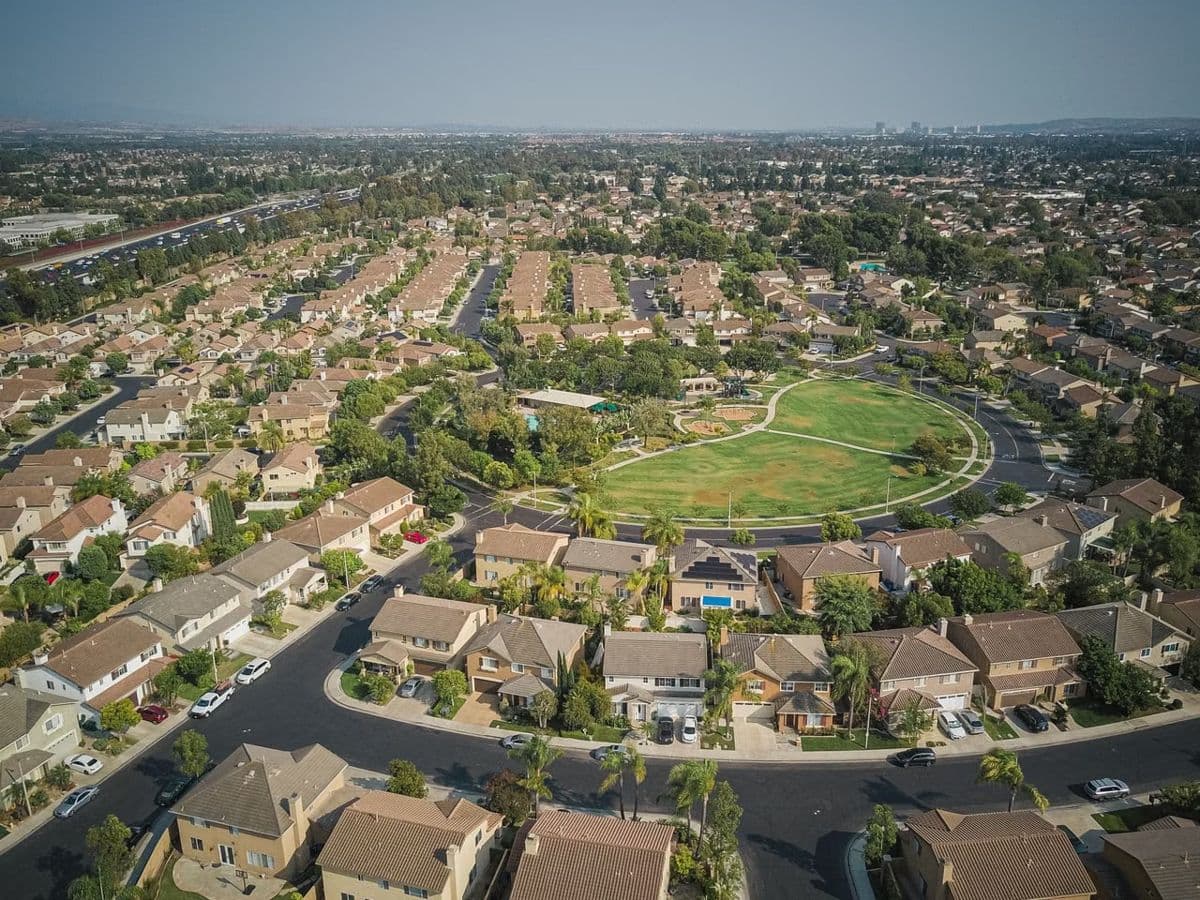
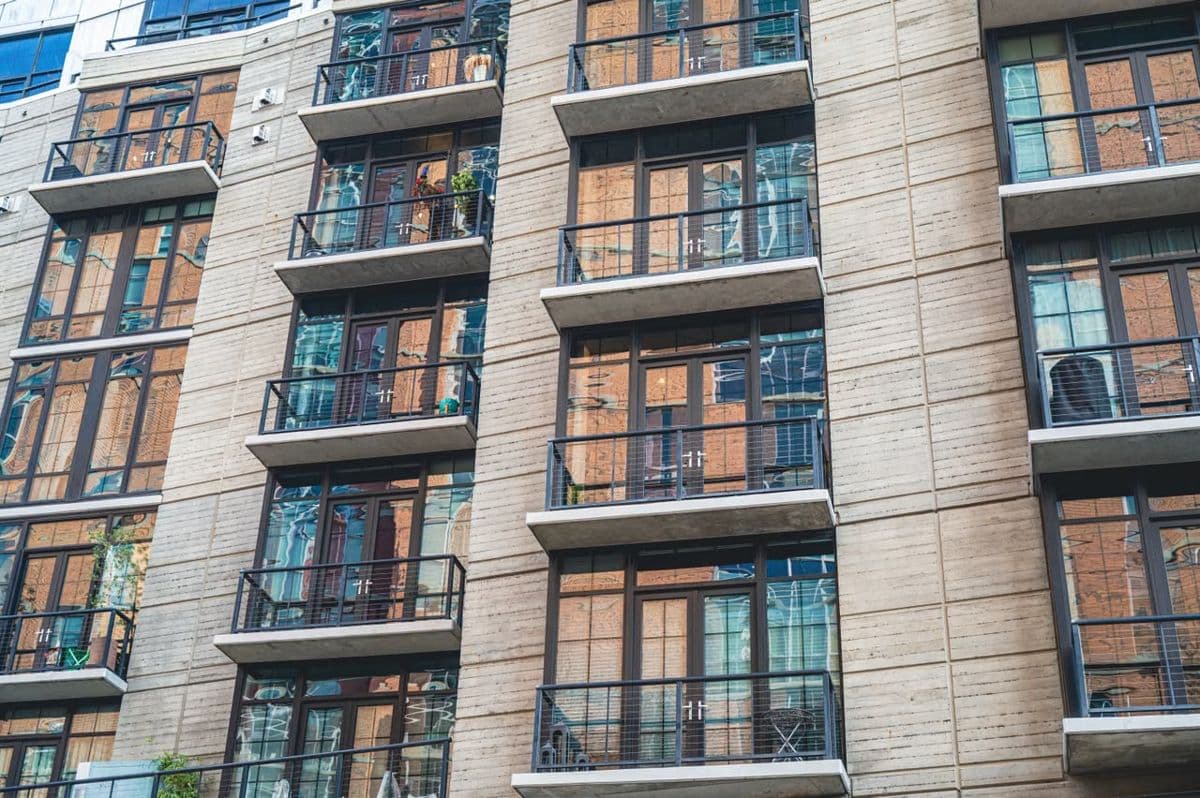
Walkability refers to how easily a person can accomplish daily activities — errands, commuting, recreation — without relying on a car. For many buyers today, it's a genuine priority that shapes where they choose to live.
What Makes a Neighborhood Walkable
At its core, walkability comes down to infrastructure and proximity. Sidewalks throughout the neighborhood, crosswalks at major intersections, and well-maintained walking paths all contribute. But the biggest factor is typically what's nearby: grocery stores, restaurants, coffee shops, schools, transit stops, parks, and workplaces.
A neighborhood where you can reach three of those destinations on foot — safely and comfortably — is generally considered walkable. Tools like Walk Score can give you a rough numeric benchmark, though your own experience walking the area tells you more.
Why Buyers Care About It
The reasons vary, but some common ones include:
- Reducing the need for a second car (or any car) in a household
- A preference for daily movement and fresh air built into the routine
- Families who want kids to be able to walk to school or meet friends nearby
- Older buyers who want options as driving becomes less convenient
Higher walkability scores also tend to correlate with stronger neighborhood stability and, in some markets, higher property values — though this varies significantly by area.
If You're Selling a Walkable Home
Don't assume buyers will figure it out from a map. Call it out explicitly in your listing description. Mention how far you are from specific destinations — the grocery store, the park, the coffee shop — and whether there are designated walking paths or protected bike lanes. Photos of nearby outdoor spaces can reinforce the point.
Using the word "walkable" in your listing is worth doing directly. Buyers using search tools often filter or search by terms like this, and specificity matters.
If You're Buying and Walkability Matters to You
Tell your agent it's a priority. Walk the neighborhood at different times of day before committing to an offer. And consider whether a home that's slightly over your initial budget but in a walkable location might reduce transportation costs enough to balance out.
For buyers in the Fleming Island area exploring what financing looks like for different neighborhoods, our team is glad to help you think through the numbers.